
How Funeral Business Software Can Revolutionize Your Death Care Operations
Streamlining Funeral Home Operations with Software
The funeral industry, with its deep-rooted traditions, may not be the first sector you associate with software and digital tools.
However, as the business landscape evolves, so does the need for funeral homes and death care professionals to modernize. Funeral business software can be the key to revolutionizing operations, providing more control over time, and ultimately, enhancing the overall client experience.
Whether you're a small family-owned funeral home or a large death care provider, software designed specifically for this industry is not just a luxury—it's becoming a necessity.
Here's how software can transform your funeral business, making it more efficient, profitable, and scalable
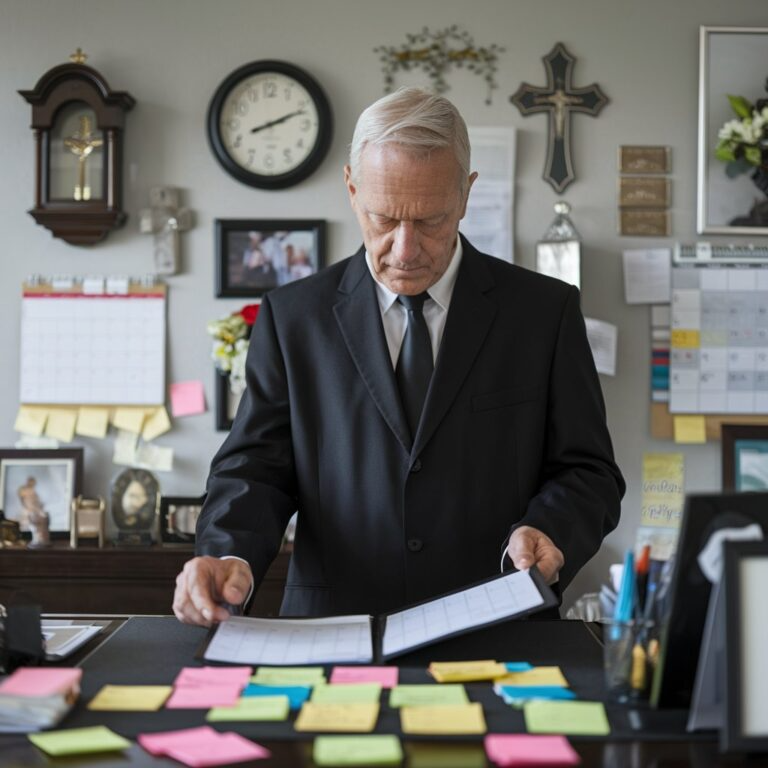
When most people think of a funeral home, they picture a place steeped in tradition. Many funeral homes still operate on systems rooted in paper-based processes, often relying on handwritten notes, spreadsheets, and phone calls to manage daily operations.
While this may have been sufficient in the past, it's not the best solution for today’s fast-paced, highly regulated industry.
Funeral business software simplifies and streamlines operations by automating tasks like
- Scheduling,
- Client management,
- Dispatch and tracking,
- Employee management,
- Bookkeeping and accounting,
- and inventory and invoicing.
Imagine no longer needing to shuffle through piles of paperwork or spend hours on manual data entry.
Instead, all your essential information is available at your fingertips, anytime, anywhere.
This is the power of digital transformation in the death care industry.
Centralizing Client Information and Case Management
One of the biggest headaches in funeral home operations is managing that mountain of paperwork you have to deal with everyday.
This paperwork isn’t just overwhelming—it’s also time-consuming and prone to errors.
How many times have you misfiled documents, lost paperwork, and had to decrypt illegible handwriting? These are constant risks that can cause delays and confusion, not to mention cost you thousands of dollars every year.Funeral business software addresses this problem by centralizing all client information and case details in a secure, digital platform. One secure place in which you can store and retrieve all the details about your business.
You can access this information from any device, whether you're at the office or out in the field. No more digging through filing cabinets or cross-referencing spreadsheets—everything you need is just a click away.
And, it isn't just easy access.
You also need backups right? What happens if you need to send a document to several people at once and you only have a piece of paper? Are you really going to run down to Kinko's and make copies to mail?
When, with the right software, you can just email a document to everyone and be done with it.
All completely accountable.
Not only does this make your operations more efficient, but it also helps reduce human error, which can be especially costly in such a sensitive industry.
Digital records ensure accuracy and allow you to provide better service to your clients, as everything from personal details to case histories is easily accessible.
Automating Your Funeral Home Scheduling
The funeral business operates in one of the most unpredictable environments.
Although the only guarantees we have in life are death and taxes, we don't get to choose when those happen. So working in the death care industry, we are constantly adjusting our schedules to our client's needs.
Clients’ needs can arise at any moment, and you must be ready to respond immediately.
Managing schedules, ensuring staff availability, and coordinating resources can feel like juggling while blindfolded—one misstep, and you risk dropping everything. Funeral business software automates scheduling, allowing you to manage staff and resources with ease.
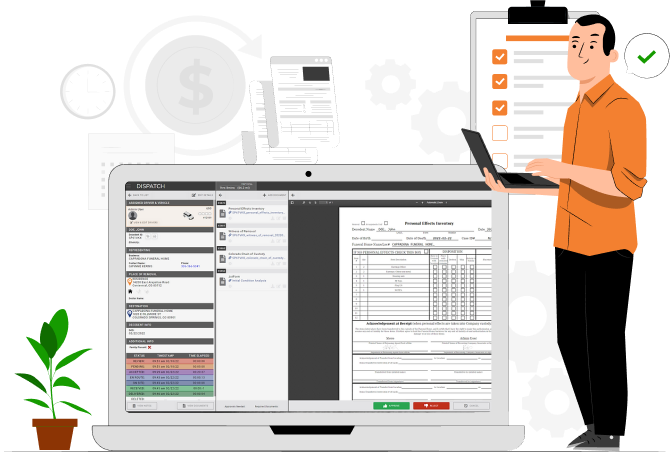
Whether it's assigning tasks, scheduling appointments, or ensuring that vehicles and supplies are in the right place at the right time, automation makes sure nothing falls through the cracks. Real-time scheduling updates can be sent directly to staff, eliminating the need for back-and-forth phone calls or emails.
You can see your day’s schedule at a glance, along with each employee’s availability, all in one dashboard. This ensures that everything runs smoothly without the usual stress and confusion.
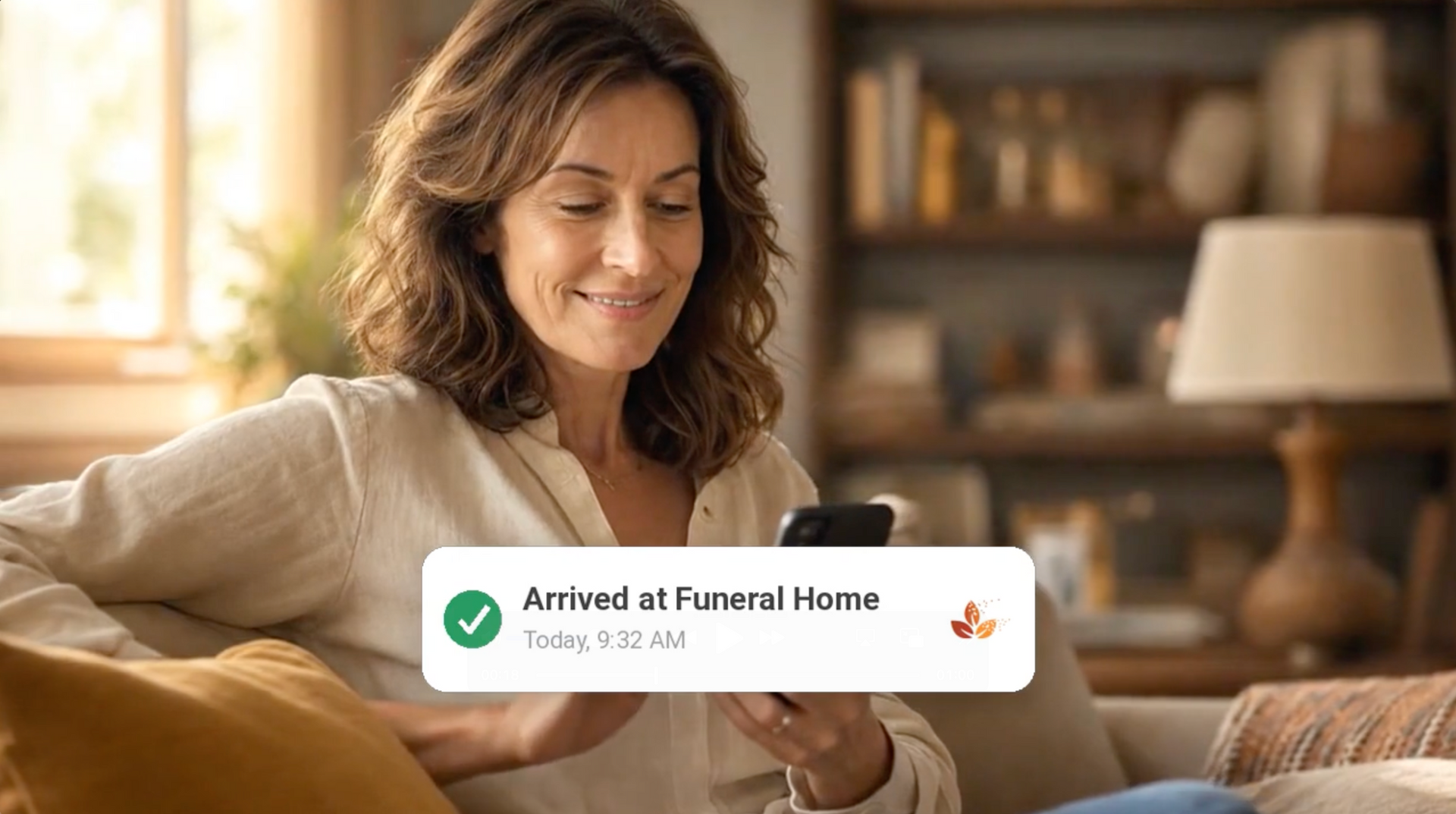
Real-time GPS and tracking can help know where your drivers are at, who is closest and available, and help you direct that traffic with a simple view.
This feature alone can save you countless hours directing your employees while providing better service to your clients.
Solving Key Challenges with Funeral Home Software
As your funeral business grows, so do the complexities of managing it.
With more clients, cases, and services to juggle, the old systems simply can’t keep up. Software provides solutions to the biggest challenges facing funeral home owners, from chaotic schedules to cash flow issues.
Overcoming Unpredictable and Chaotic Schedules
One of the top complaints among funeral home directors is the chaotic nature of the business.
Death doesn’t follow a schedule, and the services you provide are often needed at the most unexpected times. This unpredictability makes it difficult to plan your day, manage your staff, and ensure that all client needs are met without errors.
Funeral business software brings clarity and control to the scheduling process.
By digitizing and automating your scheduling, you can avoid double-booking, missed appointments, and last-minute scrambles.
Software tools allow you to assign tasks, track their progress, and ensure that everyone knows exactly what they need to do, without the need for constant micromanagement.
Real-time updates keep your entire team on the same page, whether they’re in the office, out on a removal, or preparing for a service. This level of transparency eliminates the confusion that comes with manual scheduling, and it also makes scaling your business much easier.
Improving Cash Flow and Billing Processes
Managing cash flow can be one of the most stressful parts of running a funeral home.
Between the emotional nature of your services and the complexity of invoicing, it’s easy for revenue to slip through the cracks. Manual billing processes not only eat up time but also increase the risk of missed or inaccurate invoices.
With funeral business software, invoicing and billing are automated, ensuring that every service and product is properly accounted for. Software tools like MorTrack streamline the entire billing process, from creating invoices to tracking payments, reducing the amount of manual work you need to do.
This means no more awkward payment conversations or delays in collecting fees. Automated billing ensures that your cash flow remains steady, and you’ll have real-time insights into your finances, so you always know where your business stands.
Why Funeral Business Software is Essential for Growth
The ultimate goal of any business is to grow, and funeral homes are no different.
However, growth comes with its own set of challenges—especially in an industry as unpredictable and high-stakes as death care. The more your business grows, the harder it is to manage everything manually. This is where funeral business software truly shines.
You must become the master of spinning plates.
If you have to manually manage and document everything in your business, there is an absolute limit to how big your business can grow.

Scalability Without the Stress
Scaling a business isn’t just about handling more clients—it’s about ensuring that your operations can grow without collapsing under the weight of increased demands.
Funeral business software makes it possible to scale without sacrificing quality or increasing your workload.As you add more cases, clients, and locations, the software ensures that everything continues to run smoothly.
It provides a unified system for managing all aspects of your business, from client data and case management to scheduling and billing.
This means you can expand your operations without worrying about whether or not your systems can handle the load.
Enhancing Client Relationships
In the funeral business, reputation is everything.
Your clients rely on you during one of the most difficult times of their lives, and the service you provide leaves a lasting impression. By streamlining your operations with software, you free up more time to focus on what matters most—providing compassionate, personalized care.
With the time saved on administrative tasks, you can devote more attention to your clients, ensuring that their needs are met with professionalism and empathy.
Moreover, the automation of paperwork and scheduling allows you to offer more accurate and timely services, further enhancing client satisfaction.
Conclusion: Transform Your Funeral Home with Software
In today’s fast-paced, digital world, even traditional industries like death care can benefit from the efficiencies that software brings.
Funeral business software streamlines operations, reduces paperwork, improves cash flow, and helps you scale your business—all while allowing you to deliver a higher level of service to your clients.
By automating essential tasks, centralizing data, and providing real-time insights into your business, funeral business software frees you from the chaos of daily operations. This gives you the time and energy to focus on what really matters—growing your business and caring for your clients.
If you're ready to take your funeral home to the next level, now is the time to explore how software tools can make a difference. With solutions like MorTrack, the future of your business is more organized, efficient, and profitable.
FAQ
What is funeral business software?
Funeral business software is a specialized digital tool designed to help funeral homes manage their operations more efficiently. It typically includes features for client management, scheduling, invoicing, and task delegation.
How can funeral business software improve scheduling?
By automating scheduling tasks, funeral business software eliminates the confusion and errors that come with manual scheduling. Real-time updates ensure that staff members are always aware of their responsibilities, and schedules can be adjusted on the fly.
Does funeral business software help with billing?
Yes, funeral business software automates the billing process, ensuring that every service and product is properly invoiced. This reduces the risk of missed revenue and improves cash flow for funeral homes.
Is funeral business software suitable for small funeral homes?
Absolutely. Funeral business software is scalable, meaning it can work for businesses of all sizes, from small, family-owned funeral homes to large corporations.
How does funeral business software improve client relationships?
By automating administrative tasks, funeral business software frees up more time for funeral directors and staff to focus on providing compassionate care to clients. This improves the overall client experience and strengthens relationships.
Can I access funeral business software remotely?
Yes, many funeral business software platforms offer remote access, allowing you to manage your operations from any device, anywhere, at any time. This flexibility is especially helpful for busy funeral home directors and staff.
More From Our Blog