
Streamlining Funeral Services with Innovative Business Software: A Closer Look at the Future of the Funeral Industry
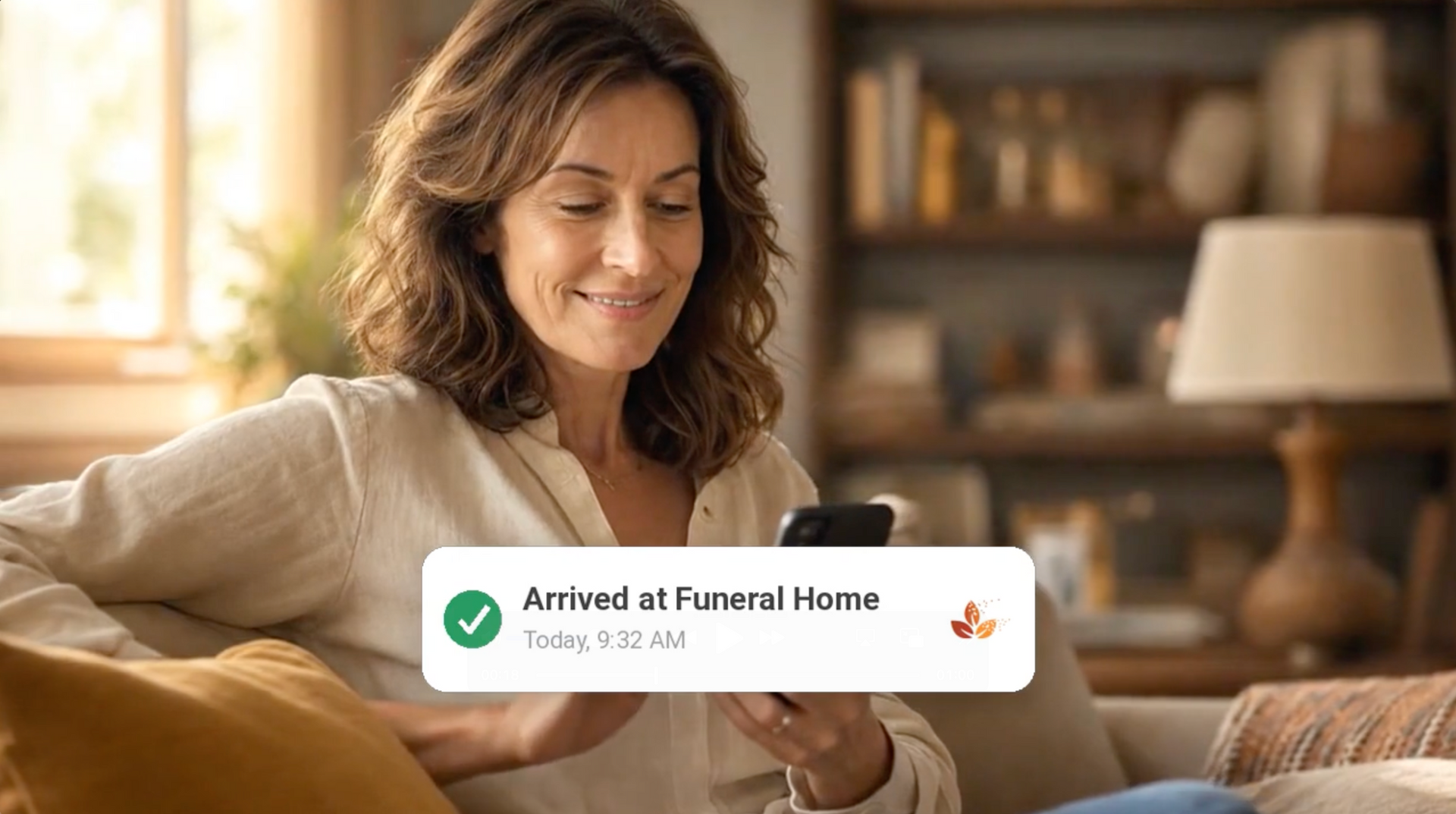
In an era where technology plays a significant role in nearly every aspect of our lives, it's no surprise that the funeral industry is also embracing innovation. With the introduction of innovative business software, the process of planning and organizing funeral services is becoming more streamlined and efficient than ever before.
This article takes a closer look at the future of the funeral industry and how innovative software solutions are revolutionizing the way funeral services are handled. We'll explore the benefits of these software tools, such as streamlined scheduling, digital guestbooks, and online payment options. Additionally, we'll examine how funeral homes can leverage these technologies to improve the overall funeral planning experience for grieving families.
By incorporating cutting-edge software into their operations, funeral homes can not only enhance their efficiency but also provide a more personalized and convenient experience for their customers. From reducing administrative burdens to offering new ways of memorializing loved ones, the future of the funeral industry is evolving rapidly with the help of new technologies. Join us as we dive deeper into the world of innovative business software in the funeral industry and discover its potential for transforming the way we say our final goodbyes.
Challenges Faced by the Funeral Industry
The Role of Technology in Streamlining Funeral Services
Innovative Business Software Solutions for the Funeral Industry
Benefits of Using Business Software in the Funeral Industry
- Streamlined Operations: Business software automates time-consuming administrative tasks, allowing funeral homes to focus on providing personalized and meaningful services to families. This streamlines operations and improves overall efficiency.
- Improved Customer Experience: By leveraging software tools, funeral homes can offer a more convenient and personalized experience for grieving families. Online payment options, digital guestbooks, and digital memorials enhance the funeral planning process and create a more meaningful tribute to the deceased.
- Reduced Costs: Business software helps funeral homes reduce costs by eliminating the need for manual paperwork, physical guestbooks, and other traditional methods. Additionally, efficient scheduling and inventory management help optimize resources and minimize waste.
- Enhanced Collaboration: Funeral management software allows multiple team members to collaborate on funeral arrangements, ensuring seamless communication and coordination. This improves teamwork and ensures a smooth and well-organized funeral service.
- Time Savings: With the automation of administrative tasks, funeral homes can save time and allocate their resources more effectively. This allows staff to focus on providing emotional support to grieving families and delivering personalized funeral services.
Case Studies of Funeral Homes Using Innovative Business Software
- Virtual and Hybrid Funerals: As technology continues to advance, virtual and hybrid funerals will become more prevalent. Funeral homes will leverage video conferencing and live streaming technologies to allow friends and family to participate in funeral services remotely. This will enable greater accessibility and inclusivity for those unable to attend in person.
- Artificial Intelligence and Automation: Funeral homes will increasingly utilize artificial intelligence and automation to streamline their operations. This includes automated responses to frequently asked questions, AI-powered grief support chatbots, and automated reminders for important dates and anniversaries.
- Green Funerals: With growing environmental consciousness, there will be a rise in demand for green funerals. Funeral homes will incorporate eco-friendly practices and offer sustainable options, such as biodegradable caskets and natural burial sites. Software solutions will assist in tracking and managing these green initiatives.
- Data Analytics and Personalization: Funeral homes will leverage data analytics to gain insights into customer preferences and behavior. This will enable them to provide more personalized funeral services tailored to the specific needs and wishes of each family. Business software will play a crucial role in collecting and analyzing this data.
- Integration with Other Industries: Funeral homes will increasingly integrate with other industries, such as genealogy services and online memorial platforms. This integration will allow families to explore their family history, discover relatives, and create comprehensive digital memorials that span generations.
Considerations When Choosing Business Software for Funeral Services
- Ease of Use: The software should be user-friendly and intuitive, allowing staff members to quickly learn and navigate the system. Complex and cumbersome software can hinder efficiency and create unnecessary frustrations.
- Customization Options: Funeral homes should look for software solutions that offer customization options. This allows them to tailor the software to their specific needs and reflect their unique brand identity.
- Integration Capabilities: The chosen software should be able to integrate seamlessly with other existing systems or software used by the funeral home. This ensures smooth communication and prevents data silos.
- Customer Support and Training: Adequate customer support and training should be provided by the software provider. This ensures that funeral home staff can receive assistance and guidance whenever needed.
- Data Security and Privacy: Funeral homes deal with sensitive and confidential information. Therefore, it is crucial to choose software that prioritizes data security and privacy, including robust encryption and secure storage.
- Scalability: Funeral homes should consider the scalability of the software solution. As their business grows, the software should be able to accommodate increasing demands and provide room for expansion.
Implementing and Integrating Business Software in Funeral Homes
- Assess Current Processes: Before implementing software, funeral homes should review their current processes and identify areas that can be improved. This will help determine which software features are most critical for their specific needs.
- Research Software Providers: Funeral homes should research different software providers and evaluate their offerings. It is essential to compare features, pricing, customer reviews, and reputation to choose a provider that best aligns with the funeral home's requirements.
- Train Staff: Adequate training should be provided to funeral home staff to ensure they can effectively and confidently use the new software. This may involve on-site training sessions, online tutorials, or workshops conducted by the software provider.
- Test and Transition: Before fully implementing the software, funeral homes should conduct thorough testing to identify any potential issues or areas for improvement. Once tested and validated, the transition to the new software can take place gradually or in stages to minimize disruption.
- Monitor and Optimize: After the software has been implemented, funeral homes should continuously monitor its performance and gather feedback from staff and customers. This feedback can help identify areas for optimization and further improvements.
Conclusion: Embracing the Future of the Funeral Industry with Innovative Business Software
More From Our Blog